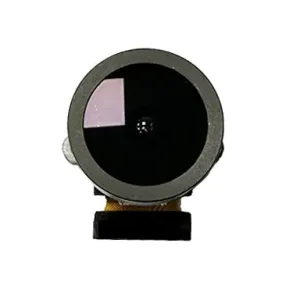
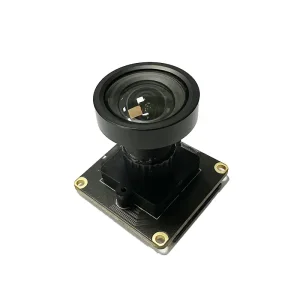
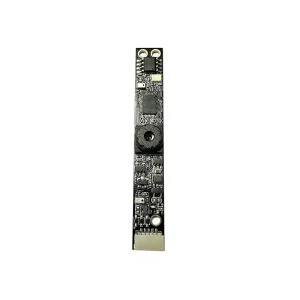
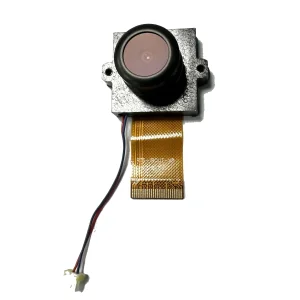
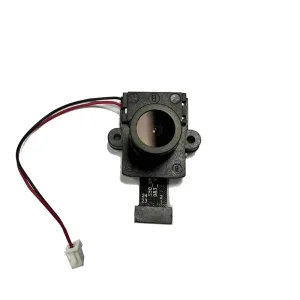
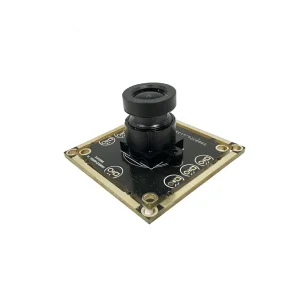
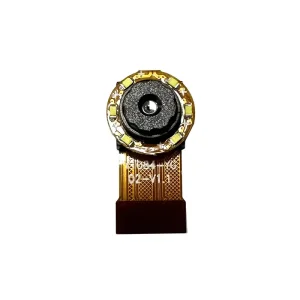
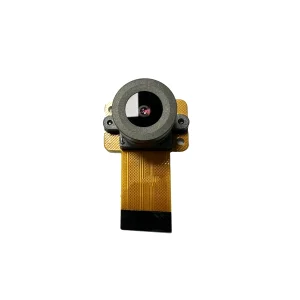
In an era of hyper-connected environments, home and industrial surveillance systems have evolved from simple recorders to intelligent vision sensors. As a premier ODM manufacturer, we integrate high-sensitivity CMOS sensors with edge-computing capabilities. Global procurement teams are increasingly shifting focus from mere "resolution" to "semantic understanding" and "AI-readiness," demanding camera modules that can perform real-time facial recognition and motion analytics.
Leveraging advanced supply chain resilience, our production lines now feature automated aging testing (Aging-Tested Quality). This ensures that every unit deployed in harsh, industrial, or outdoor environments maintains consistent optical performance, reducing field failure rates for our OEM/ODM partners.
We observe a significant trend towards localized application. From European smart home standards to North American industrial automation, our modular design approach allows for rapid customization of FOV (Field of View), spectral sensitivity (IR-cut for night vision), and interface (MIPI, USB, DVP).
Unlike generic suppliers, we provide technical whitepapers and sensor roadmaps. By partnering with YXD, you gain insights into upcoming CMOS sensor generations, allowing your R&D team to future-proof their next-generation security devices.
We utilize specialized infrared-sensitive sensors combined with high-quality IR-cut filters and high-aperture lenses (F1.8 or better) to ensure clear imaging in sub-1 lux environments.
MIPI CSI-2 is ideal for bandwidth-intensive, low-latency AI processing on embedded boards (e.g., Raspberry Pi, Jetson), while USB is preferred for universal compatibility and quick modular hardware upgrades.