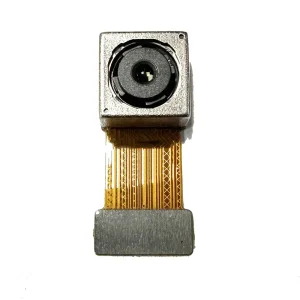
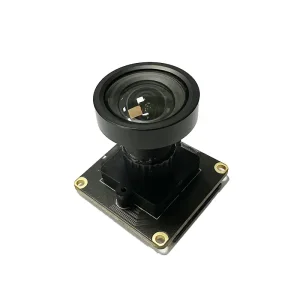
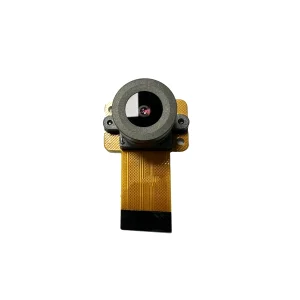
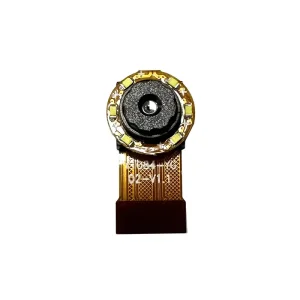
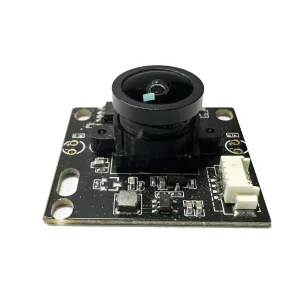
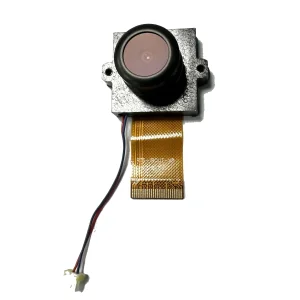
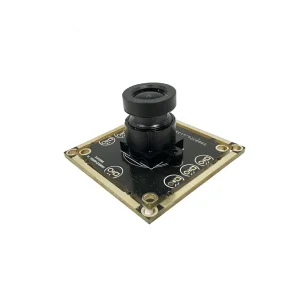
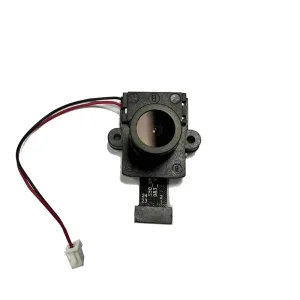
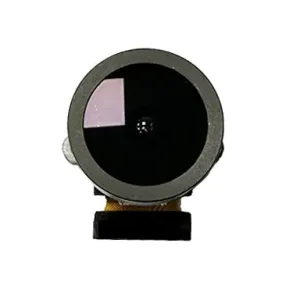
For B2B buyers and system integrators, understanding the ODM Security Cameras Installation Cost requires looking beyond the unit price. It involves a strategic analysis of hardware reliability, firmware customization, and long-term maintenance. As a seasoned growth director, I emphasize that "Information Gain" in this sector comes from balancing upfront manufacturing costs with the total cost of ownership (TCO).
The global security landscape is shifting toward edge-AI-enabled hardware. Manufacturers in Shenzhen, like YXD Technology, are leading this by offering modular, scalable solutions that reduce deployment friction. Industrial setups now demand higher sensitivity sensors—moving from standard 1080P to 4K resolution with low-distortion optics, which significantly impacts installation scalability.
Compliance with GDPR, NDAA, and regional electrical standards is no longer optional. A robust ODM partner provides not just the hardware, but the documentation and certification support necessary to expedite local regulatory approval, saving thousands in potential compliance fines.
Integrating neural processing units (NPU) directly onto camera modules.
Advanced SLAM capabilities through ultra-wide-angle, low-latency MIPI interfaces.
Explosion-proof housing and high-thermal-resistance components.
Seamless cloud-to-edge integration protocols (ONVIF/RTSP).
Factors include sensor quality, cable length requirements, environmental shielding (IP67/68), and the need for specialized edge computing processing.
ODM manufacturing allows for customized PCB designs, lens calibration for specific viewing distances, and firmware-level features that off-the-shelf products cannot provide.